Cities are living systems. They grow, shrink, shift and evolve with the people who inhabit them — and the stories we tell about what’s normal. Yet for too long, the dominant narrative in urban mobility has been singular: faster trips, ever-higher speeds, and streets designed above all for cars. What if this story isn’t the only — or even the best — one? What if how we move and how we live are inseparable questions?
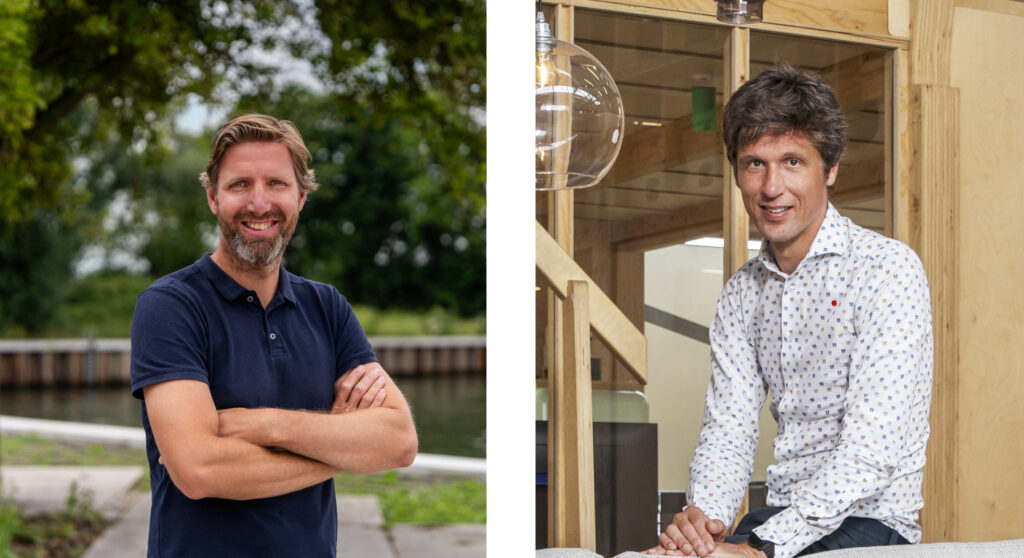
That’s where Lab Of Thought with academic director Marco te Brömmelstroet and lab director Frank Kwanten — invites us to go beyond the default, beyond what’s familiar, and into the realm of multiple mobility or urban futures. Radically rethink mobility and urban space because what sounds radical today might be a great idea for tomorrow.
The Problem with a Single Story
In most cities today, streets are treated as throughput machines — pits of asphalt where the goal is to move vehicles efficiently from point A to point B. That choice isn’t neutral. It reflects a worldview — called motonormativity — where cars occupy center stage and every other mode or experience is treated as a secondary consideration. This bias seeps into policy, infrastructure, and public opinion: reducing car space becomes perceived as an attack on freedom, and resistance — even hysteria — erupts.
This resistance dynamic has been described as the “Hill of Hysteria” — a psychological and cultural rise in opposition to mobility interventions that challenge what people have been taught to think is normal. Even when changes are beneficial (like slowing streets or reallocating road space), early reactions can be surprisingly hostile, driven less by facts than by fear of losing perceived rights.
Take for example the shift in Groningen to a moto traffic circulation plan in the 70’s or recently Amsterdams widespread 30 km/h zones on many streets. Initially met with skepticism, this shift has resulted in nicer streets and broad public acceptance over time, as lived experience replaced abstract fear. This illustrates that once people live with change, hysteria often fades — revealing how much opinion is shaped by anticipation rather than evidence.
Rethinking Mobility Isn’t Just About Transportation
Lab Of Thought argues that we need to “stop talking about transport or engineering and start talking about life and the values we wish to see resembled in our public space.” Urban mobility isn’t only about getting from one place to another — it’s about what cities enable us to do together. It influences children’s independence, community cohesion, public health, and how we experience the places we share.
Mobility futures, then, shouldn’t be pigeonholed into a single trajectory like autonomous cars or hyper-efficient transit. Luckily more and more politicians, policy makers and inhabitants understand this and to move forward we should ask deeper questions like:
- What if streets were designed first for social life, not speed?
- What if public spaces were as much about community as circulation?
- What if multiple futures are possible — not one fixed end-state?
Lab Of Thought is aware of the current questions we often ask about urban space and emphasizes that innovations are not value-free: the language we use, the models we make, and the policies we implement all carry embedded narratives that shape what becomes possible — and what gets excluded.
The Necessity of Experimenting
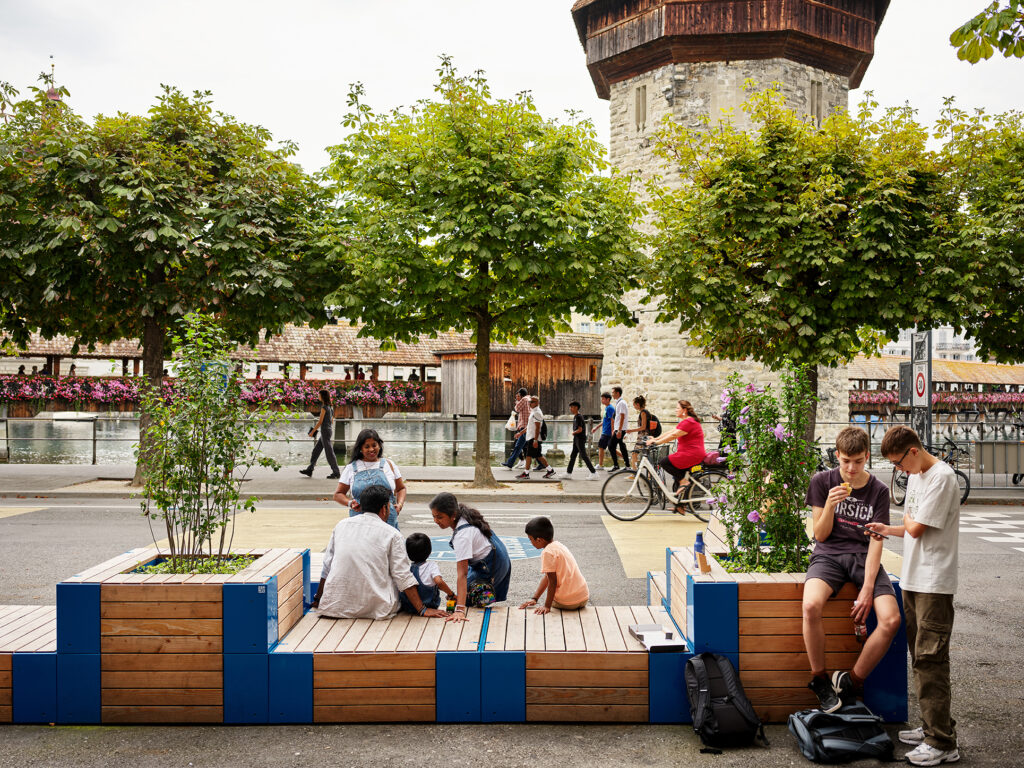
The questions we ask and the lifeline to a single story gives us a crucial insight: rigid thinking leads to rigid cities. To escape that, we need experimentation — small, iterative, playful, and participatory.
Experimentation does three vital things:
- Breaks the status quo narrative — by making alternative futures visible and tangible.
- Enables learning by doing — people experience benefits before they accept them.
- Shifts norms over time — what was once dismissed becomes familiar, even embraced.
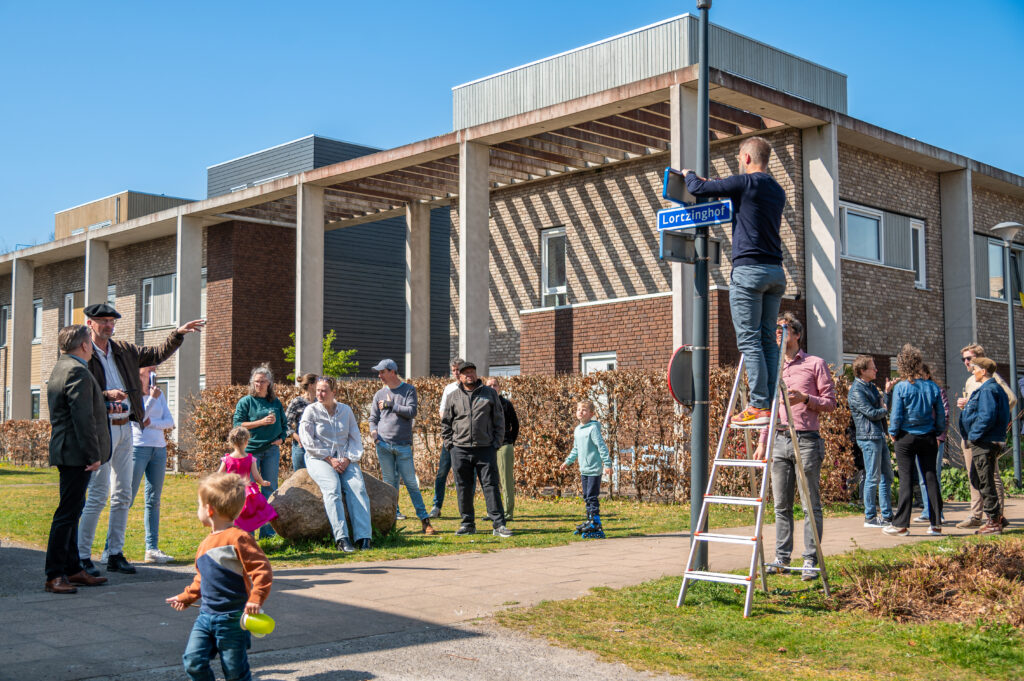
Just as Amsterdam’s slower streets show, what initially triggers resistance can become a new norm once the lived experience replaces fear. That’s the power of real-world experimentation over abstract debate. But experimentation can often start smaller. What if we build a zebra machine to see what happens when you create a zebra crossing? Or what if a dike is used to host a dinner?
This need to prefigurative politics and experimentation led to Lab Of Thought and Parkly to work on a shared offer for cities that want to change, learn and experience. At Parkly and Lab of Thought, we tackle urgent urban challenges and help cities become more livable — today, not tomorrow.
Public Space: More Than a Road
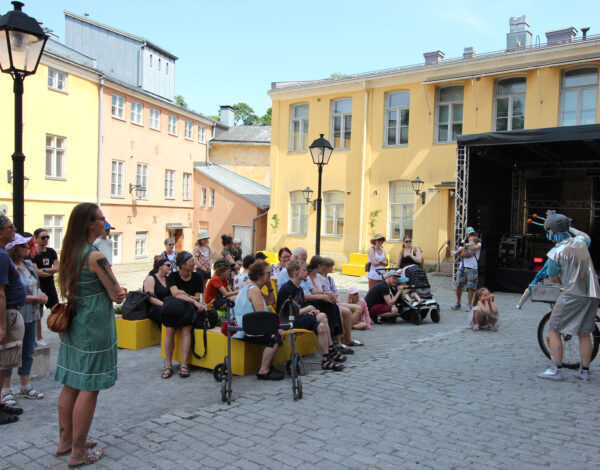
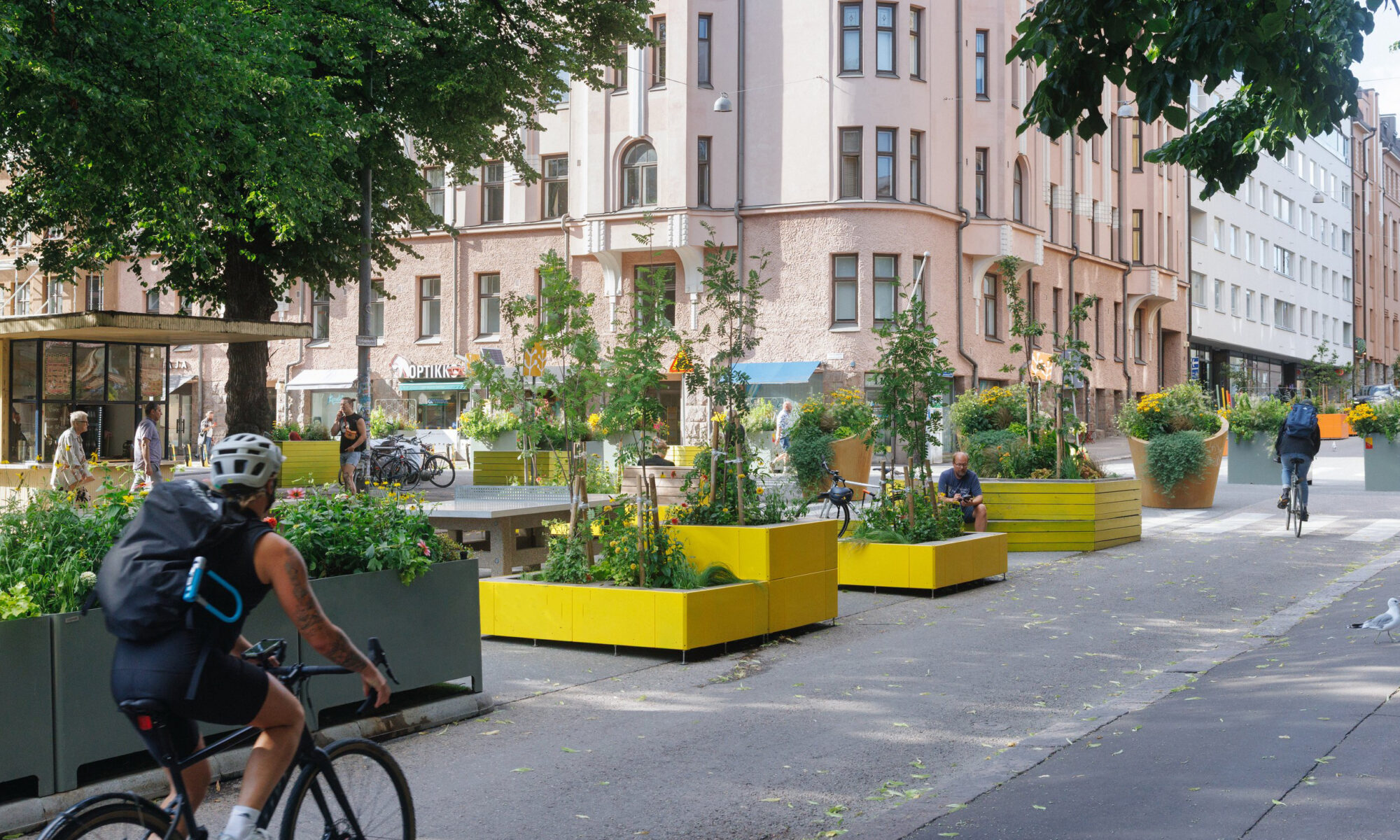
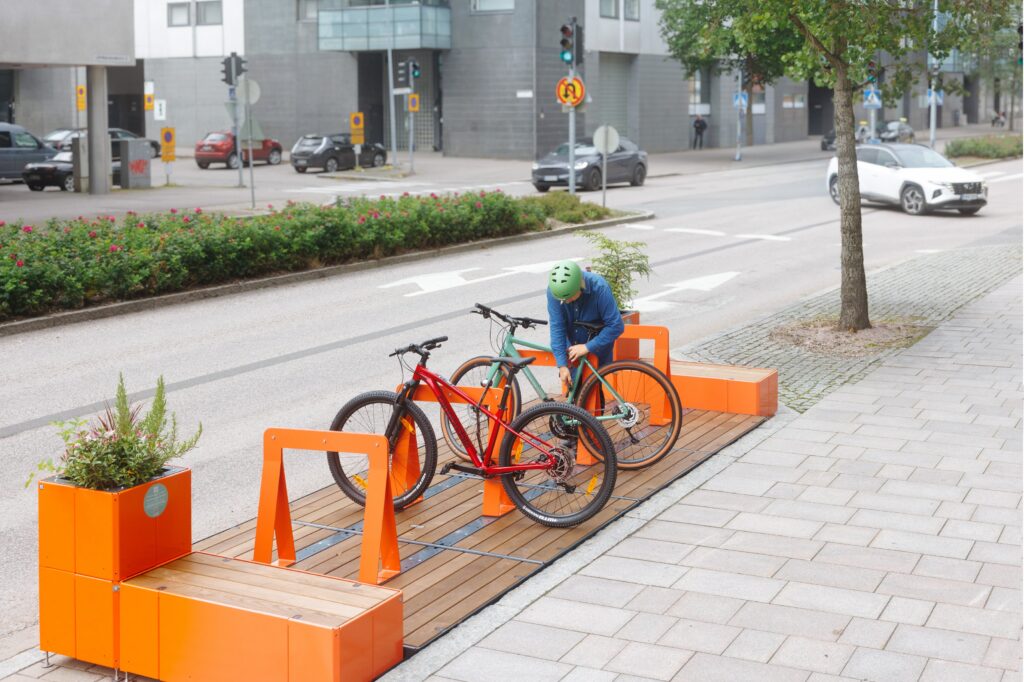
When we shift from “mobility as movement” to “mobility as life,” public space transforms too. Streets can become places for play, not just passage. Sites of community interaction. Spaces for markets, performing arts, street life, and pause. Networks that support health, equity, and inclusion.
This reimagining isn’t airy idealism. It’s grounded in a simple truth: if we only design for what we already had, we’ll never create what we truly need.
A Call to Action: Embrace the Possible
Urban futures are not pre-written. They are shaped by:
- Our willingness to question biases
- Our openness to explore multiple narratives
- Our courage to experiment, observe, and learn
To build cities that are livable, equitable, and vibrant, we must ascend — and descend — the Hill of Hysteria, confront our assumptions, and dare to try new ways of living together. Because the best city might not be the one that moves people fastest — it could be the one that lets people live their fullest.
Authors: Lab of Thought Academic Director Marco Te Brömmelstroet and Lab Director Frank Kwanten
Contact us to see how Parkly and Lab Of Thought can help!